
Is Your Mindset Holding You Back?
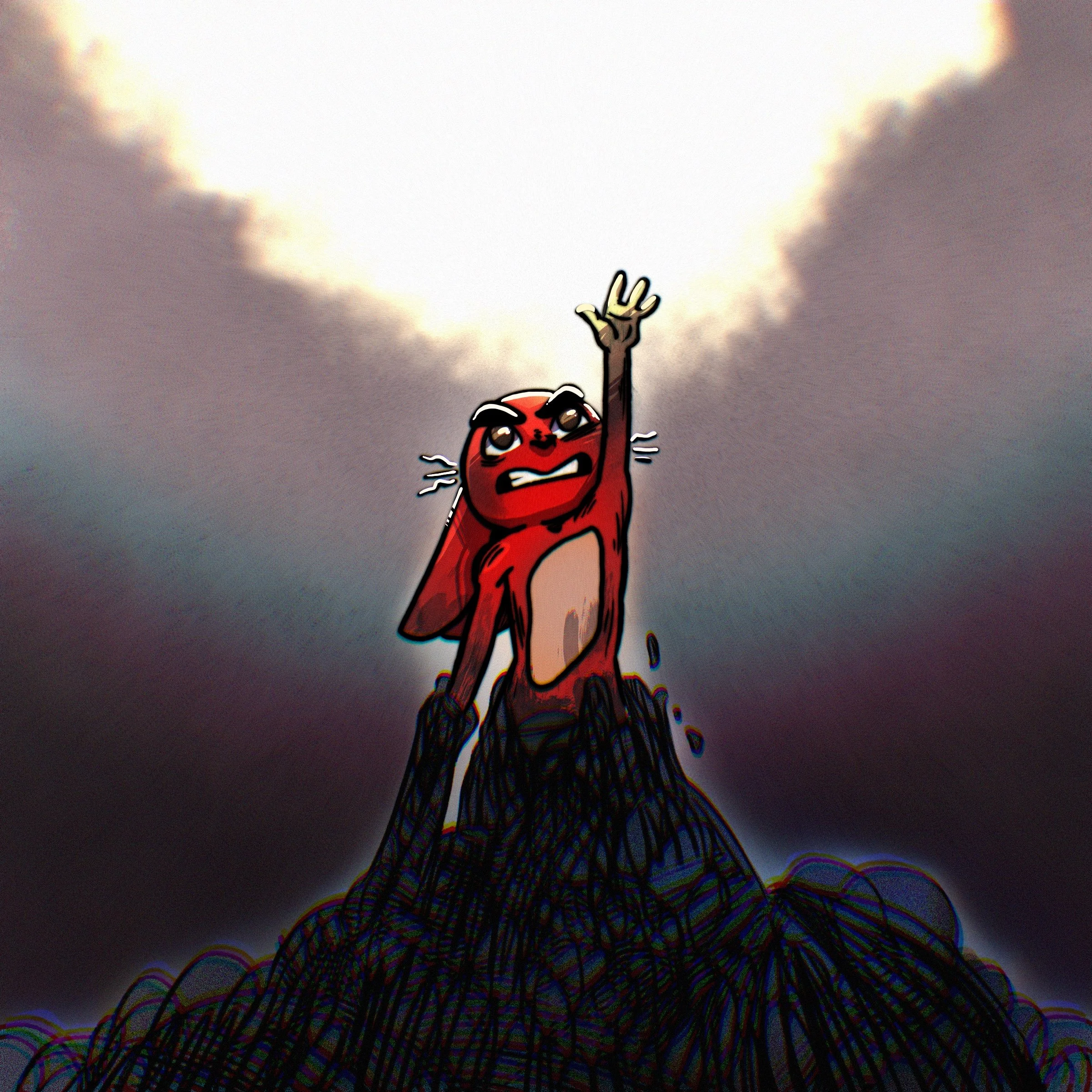
Art by Analise Black
Does your sense of self-worth come from the quality of your art? Jake Parker, Samantha Cotterill, and Anthony Wheeler discuss practicing a growth mindset and defining success in art and life.
ASK A QUESTION
JOIN US ON PATREON
Note: We’ve done our best to provide relevant links to products mentioned in this podcast. Qualifying purchases support SVSLearn and the 3 Point Perspective podcast. Thank you for your patronage!
SHOW LINKS
Samantha Cotterill: samanthacotterill.com
Anthony Wheeler: anthonywheelerart.com, @anthonywheelerart
Mindset by Carol Dweck
Digital Spaghetti
Patricia Cotterill
KEY TAKEAWAYS
Practice a growth mindset: I can learn, I can improve, and I am worthy no matter what my work looks like.
When you untangle your self-worth from your art, you can receive helpful feedback with your defenses down and your self-esteem intact.
Art is a skillset, not a personality.
Don’t allow another’s judgment to define your sense of success. Just because they give you a label doesn’t mean you have to accept it!
Don’t judge a project in the messy middle; wait for the feeling at the end.
QUESTIONS
Robert asks, “You guys talk a lot about exploring and trying out new things to help you grow as artists, but how do I know what I’m looking for? And how do I know when I’ve found it? I tend to get stuck down the rabbit holes so how do I know when to stop digging or when I need to dig just a little more?”
At the beginning of your art journey, it’s better to become competent at a variety of transferable skills than to spend excessive time mastering very specific skills. Rather than spending weeks learning how to draw eyes, for example, learn how to break subjects down into basic shapes and apply light and shadow. These more generalized skills can be used to help you create more specific work down the line.
Initial art skills, such as basic drawing, light and shadow, and perspective, should be learned in order. The Foundations Curriculum on SVSLearn is the perfect way to ensure you receive all the essential training you need in the proper sequence. Once you’ve completed a course and all of the assignments, you’ll know you’re ready to move on to the next one- no more guesswork. (Try it free for 14 days!)
After you’ve got the basics down, you can learn additional, more specific skills in the service of your long-term goals. For example, you might take an inking class if you want to create a comic book. The key to not getting stuck in the research rabbit hole? Make projects and finish them. After you’ve got your inking basics down, start that comic! Don’t wait until you’re an inking whiz to make art. You’ll learn more by creating a real project from start to finish than by thinking about it or practicing endlessly.
Don’t let difficulty deter you. Keep going, even when things get hard, and evaluate at the end of your project if the satisfaction you feel is worth the challenging moments. If the answer is yes, you’ve found something to dive into further! If not, you’re free to move in another direction.
LINKS
Jake Parker: mrjakeparker.com. Instagram: @jakeparker, Youtube: JakeParker44
Will Terry: willterry.com. Instagram: @willterryart, Youtube: WillTerryArt
Lee White: leewhiteillustration.com. Instagram: @leewhiteillo
Daniel Tu: danieltu.co.
Lily Camille Howell: lilycamille.com
If you like this episode, please share it, subscribe, and let us know your thoughts or if you learned something new!
If you want to be a part of the discussion and have your voice heard, join us at forum.svslearn.com.
